Layton coverage
East Layton, Up Against the Wasatch Foothills
- ZIP 84040
- About 26,700 residents
- US-89 along the east edge
- Adams Canyon trail
ZIP 84040 is the eastern side of Layton. It climbs from the middle of town toward the foot of the Wasatch Mountains, with US-89 running along its edge. Around 26,700 people live in this ZIP, about a third of the city. The name comes from history: East Layton was a separate city until Layton annexed it, and the ZIP code still carries the name.
Routing to a contractor near you can take a moment or two. Keep the line open until a person picks up.
How the East Side Is Laid Out
The ground rises as you head east. Close to the mountains it becomes bench and foothill, and US-89 runs north to south along that edge. The Adams Canyon trail starts east of the highway. Compared with the flatter land toward I-15, more lots here sit on a grade.
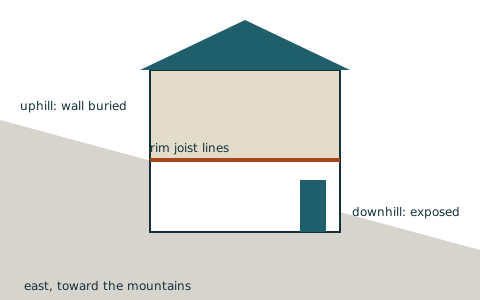
On a sloped lot, a basement is often fully buried on the uphill side and partly or completely above ground on the downhill side, sometimes with a walk-out door. That matters for plumbing. A pipe running behind a buried foundation wall sits next to soil that holds a fairly steady temperature, while a pipe in the exposed downhill wall or the floor above it gets the full winter air.
Cold Nights Closer to the Mountains
Elevation climbs as you move east, and on still winter nights cold, heavy air tends to slide downhill out of canyon mouths. Nobody can say one East Layton street runs colder than another without measuring it, but the pattern is worth keeping in mind if any of your water lines run through an exterior wall, a garage, or the floor of a room built over a garage.
The spots that freeze on foothill homes are the same ones that freeze everywhere, with a few that slopes make more common:
- the exposed downhill wall of a walk-out basement, especially at the rim joist
- bonus rooms and bedrooms built over a garage, where supply lines run through the floor
- hose spigots on the downhill side, which can sit high above grade and catch wind
- sprinkler backflow devices on sloped yards that weren't drained before the first hard freeze
How these lines fail is explained on the frozen pipe burst page. If a hose was left on a spigot over winter, why a frost-free spigot can still split is worth a read before you turn it on in spring.
Jobs Worth Knowing About in 84040
Freeze bursts found on the thaw. A line that split overnight in an exterior wall usually starts leaking once the sun hits the house or the furnace catches up. The water runs down inside the wall and often shows up first on the floor below.
Finished basements catching the runoff. Water from any floor ends up in the lowest finished room. In a walk-out basement it can pool along the buried uphill wall, where the floor is often lowest and the drywall is framed tight to the concrete. Basement water cleanup explains what happens to the carpet pad, flooring and framed walls.
Musty rooms after a leak nobody saw. A slow drip inside a wall can run for weeks before anything shows. If a room smells damp after an old leak was repaired, the mold checks page covers how moisture and mold are checked.
Snow, Steep Driveways and Getting the Equipment In
Foothill driveways can be steep, and after a lake-effect storm they're often the last thing anyone has time to clear. Truck-mounted extractors usually park close to the house and run hoses inside, so a cleared driveway and a clear path to the nearest door make the first visit quicker. If the drive is icy or the only good access is through the garage, say so on the call. On a hard-to-reach job the contractor may bring portable equipment instead.
Keep the heat on while you wait. A furnace switched off to "save" a wet house lets the remaining lines get colder, and a cold basement dries more slowly once the equipment arrives.
Before the First Cut in a Wall
Give the contractor your ZIP and the nearest cross street when you call. Once they arrive, and before any drywall comes down, ask for their Utah license number and check it with the Division of Occupational and Professional Licensing (DOPL), and ask for a certificate of insurance. Take your own photos of each wet area first.
The Other Side of Town
The flatter, more built-up half of Layton is covered too. West Layton, ZIP 84041, runs across the I-15 corridor toward the lake wetlands and holds about two-thirds of the city's residents. Full coverage details are on the Layton coverage page.
East Layton Questions
Is East Layton the same as the old city of East Layton?
The ZIP code takes its name from it. East Layton was a separate city before Layton annexed it, and ZIP 84040 is still known as East Layton today.
My house has a walk-out basement. Does that change the cleanup?
It can change where the water ends up. Water runs to the lowest point, which in a walk-out basement is often along the buried uphill wall rather than near the door. The contractor checks both sides with a moisture meter, since the exposed and buried walls dry at different rates.
Are homes near the Adams Canyon trailhead covered?
Homes with a Layton address in ZIP 84040 are covered. Addresses that belong to a neighbouring town's ZIP code are not.
A Wet Wall in East Layton
Routing to a contractor near you can take a moment or two. Keep the line open until a person picks up.